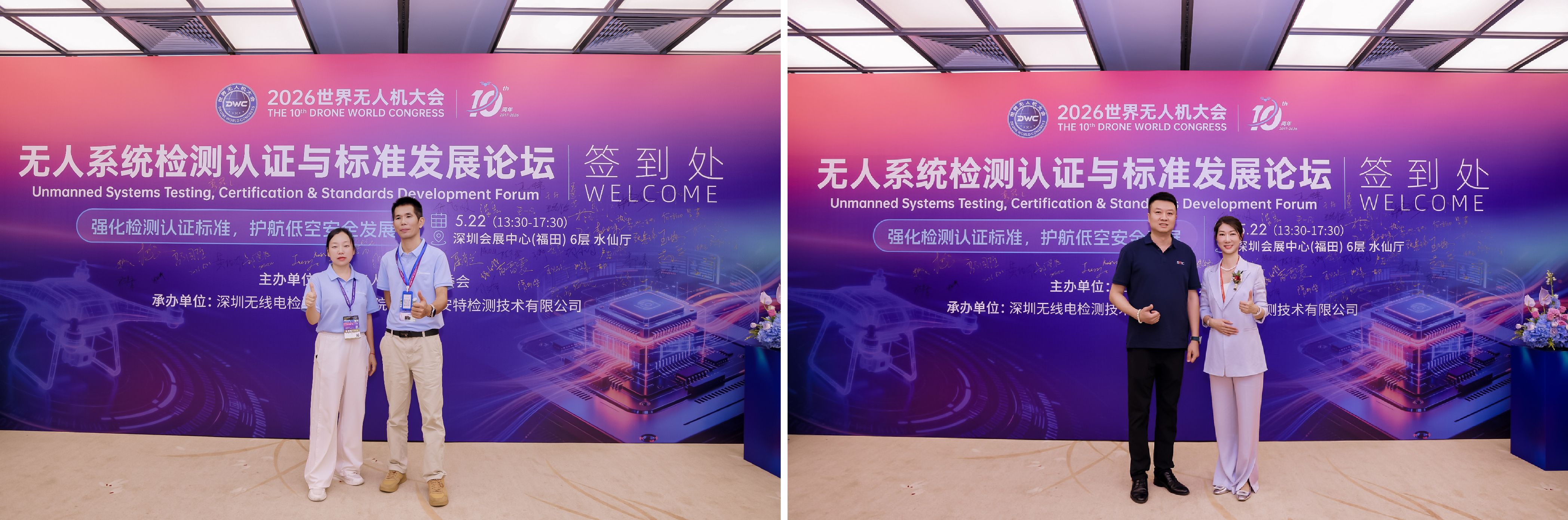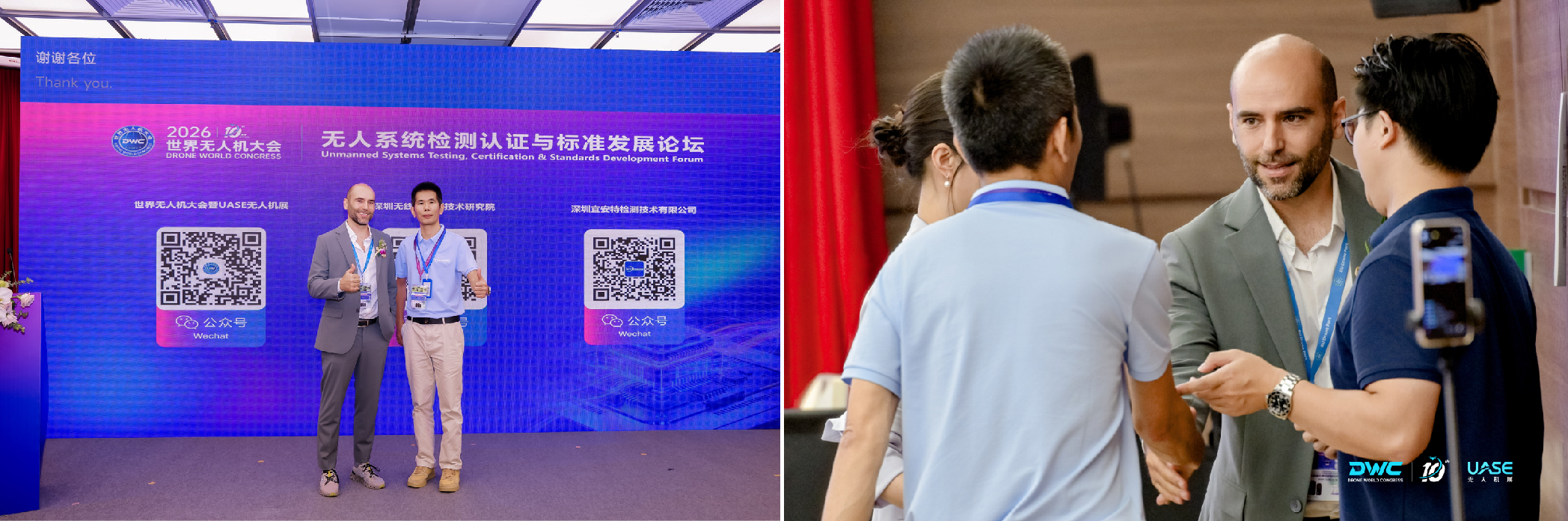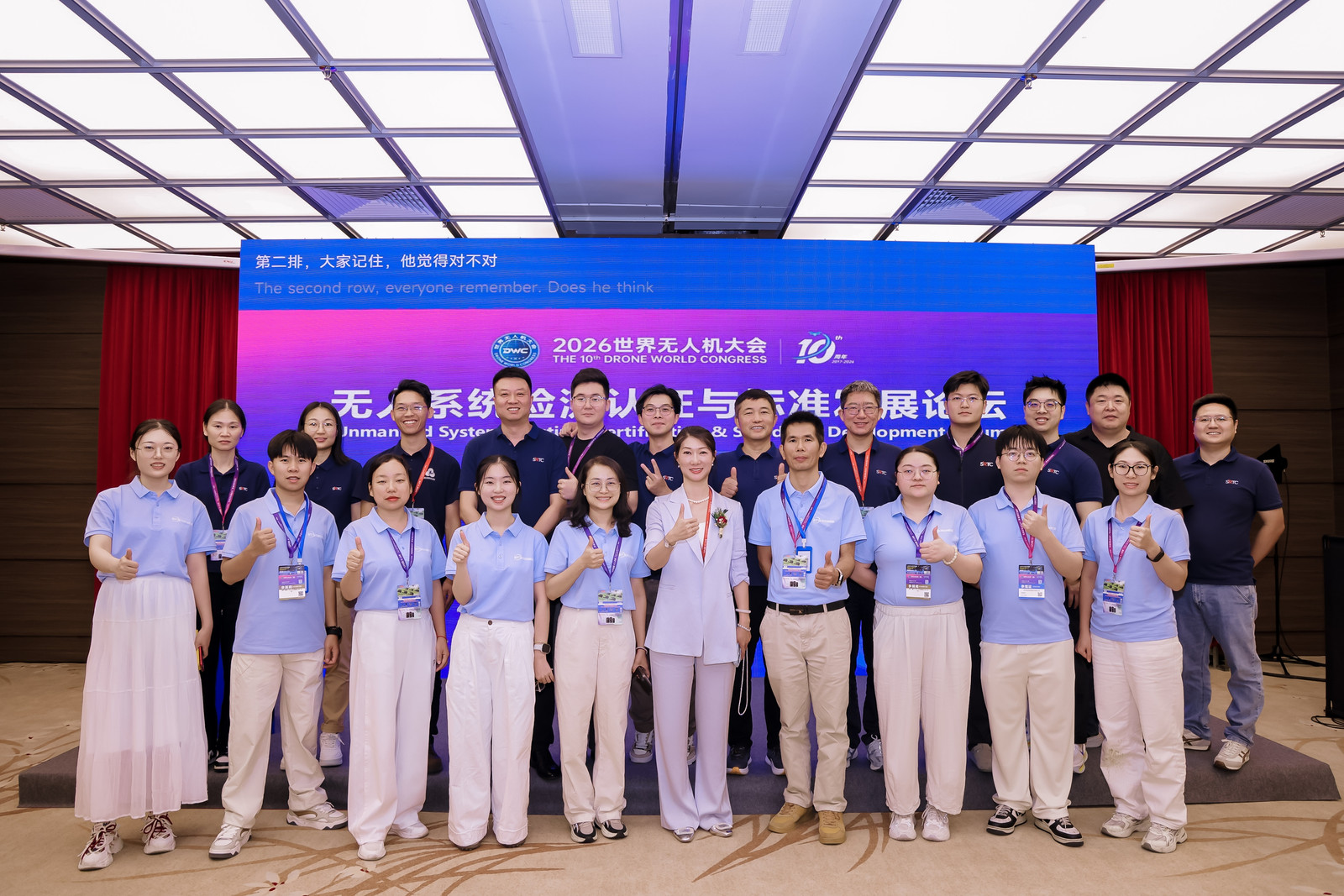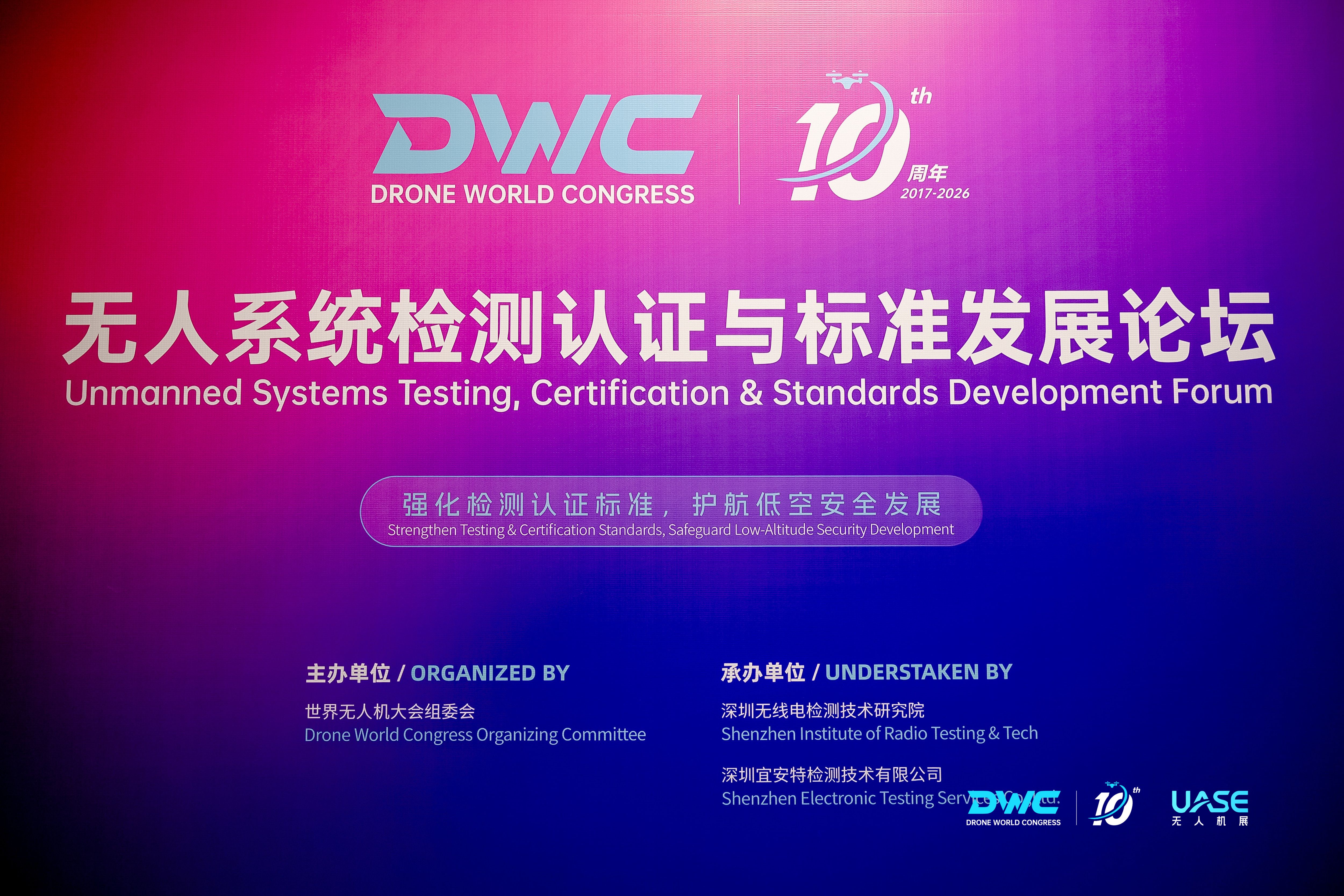
On the afternoon of May 22, 2026, the parallel forum of the 2026 World Drone Congress – the "Unmanned Systems Testing, Certification & Standards Development Forum" – was held in the Narcissus Hall on the 6th floor of the Shenzhen Convention and Exhibition Center (Futian). This forum was jointly organized by the Shenzhen Institute of Radio Testing & Technology and Shenzhen Electronic Testing Services Co., Ltd., focusing on new paths for quality certification and safety regulations in the era of the low-altitude economy under the theme "Strengthen Testing & Certification Standards, Safeguard Low-Altitude Security Development."
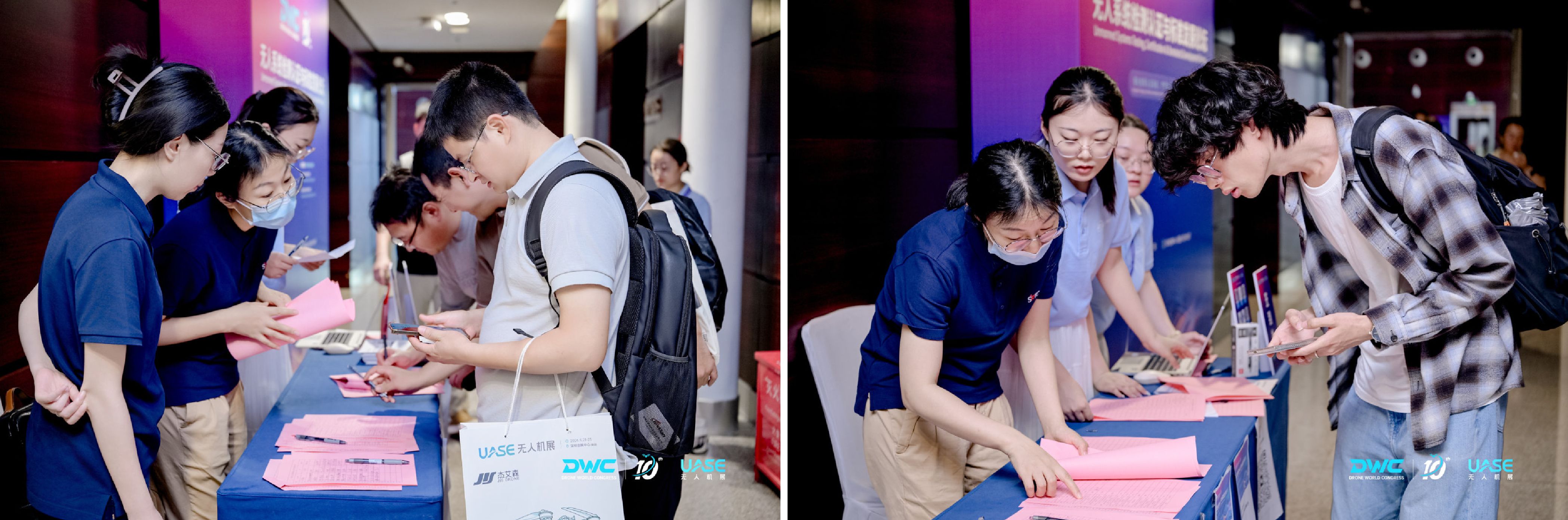
The forum conducted in-depth discussions around seven core topics, gathering authoritative industry experts, scholars, and enterprise representatives, aiming to provide theoretical support and practical guidance for the high-quality global expansion and standardized development of China's drone industry.
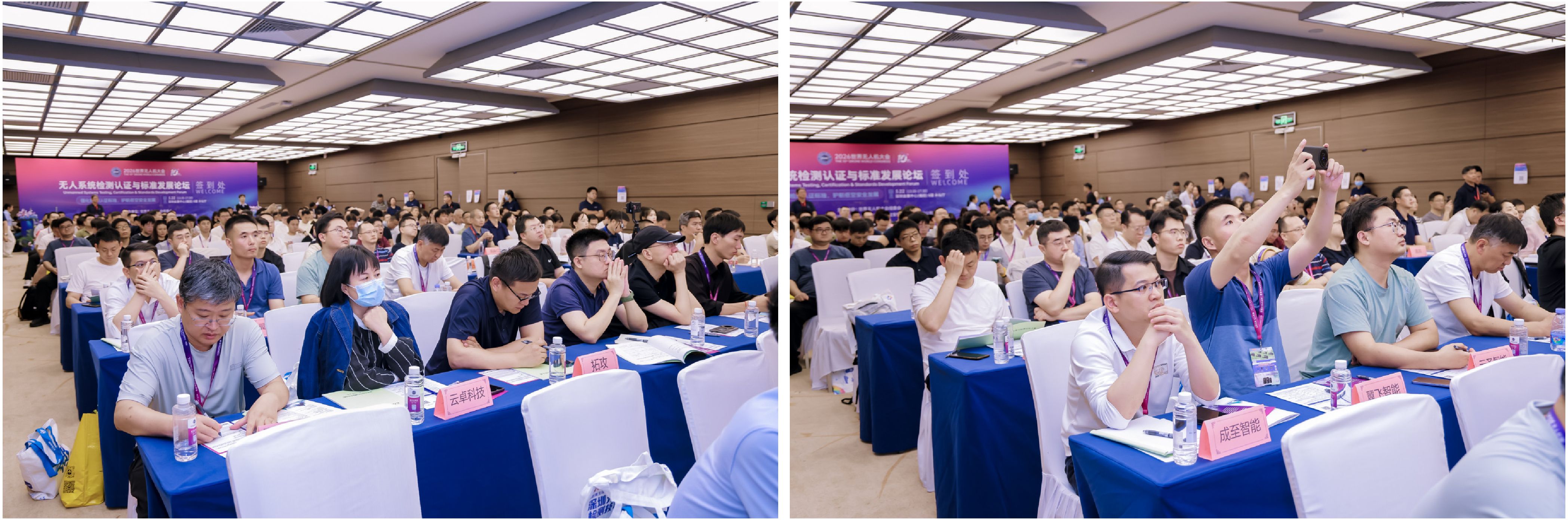
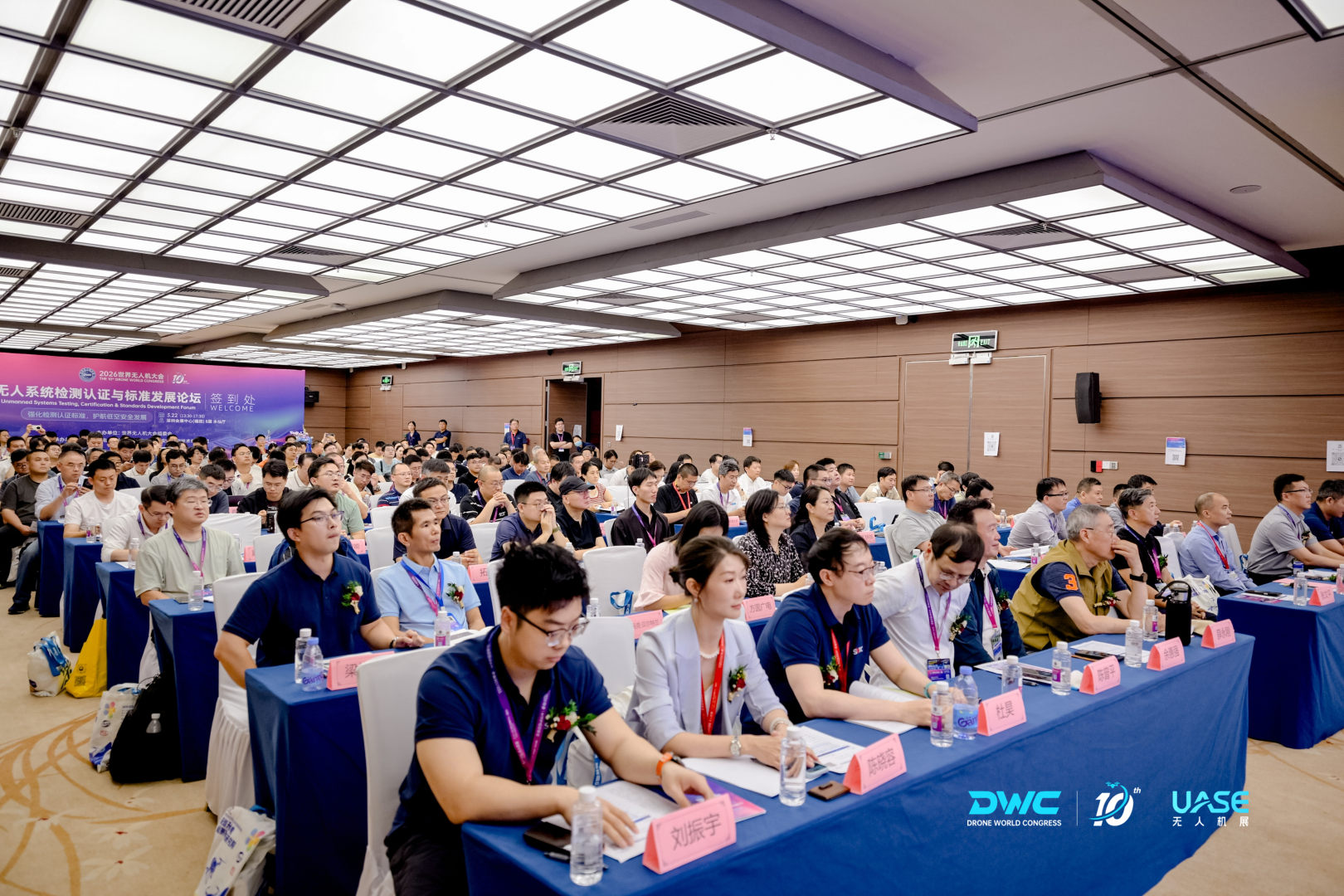
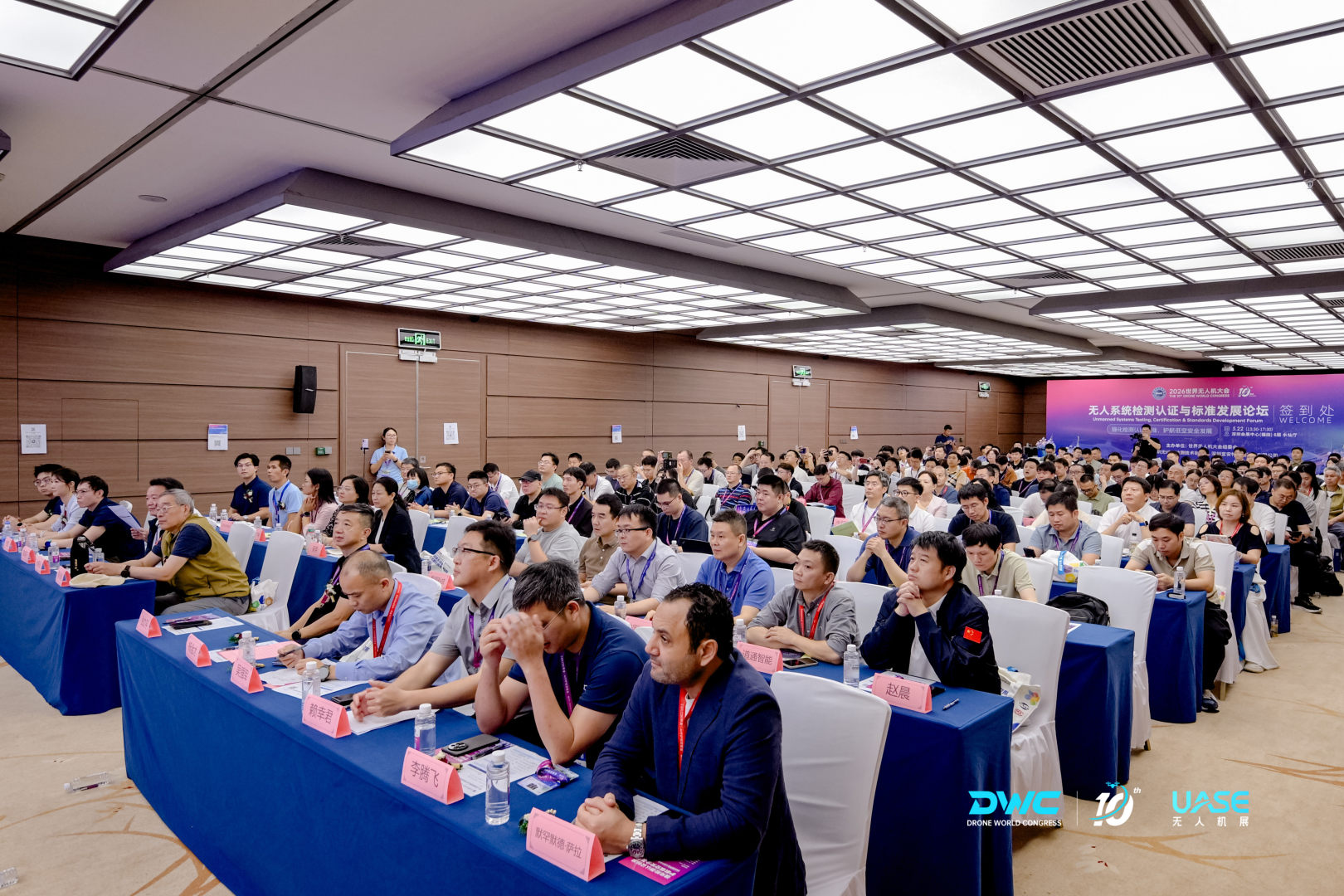
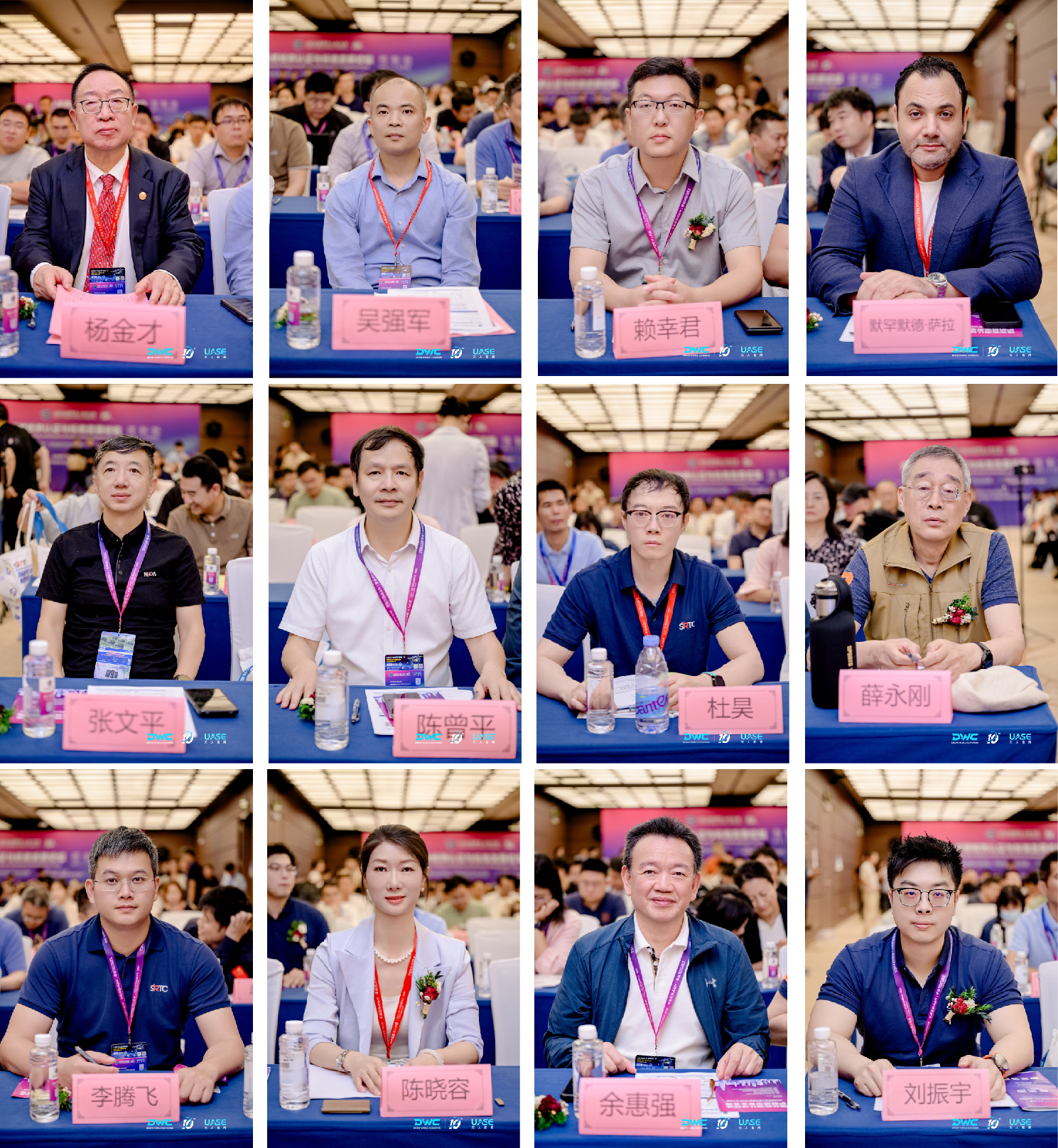

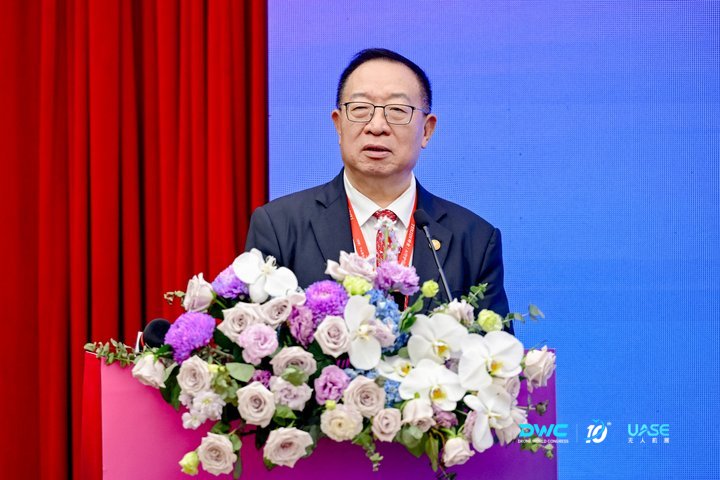
The forum commenced in a warm atmosphere. Yang Jincai, Academician of the European Academy of Sciences, Arts and Humanities, Chairman of the World Drone Congress, and President of the Shenzhen UAV Industry Association, delivered the opening speech. From a holistic industry perspective and an international viewpoint, he profoundly explained the strategic significance of unmanned systems testing, certification, and standards development.
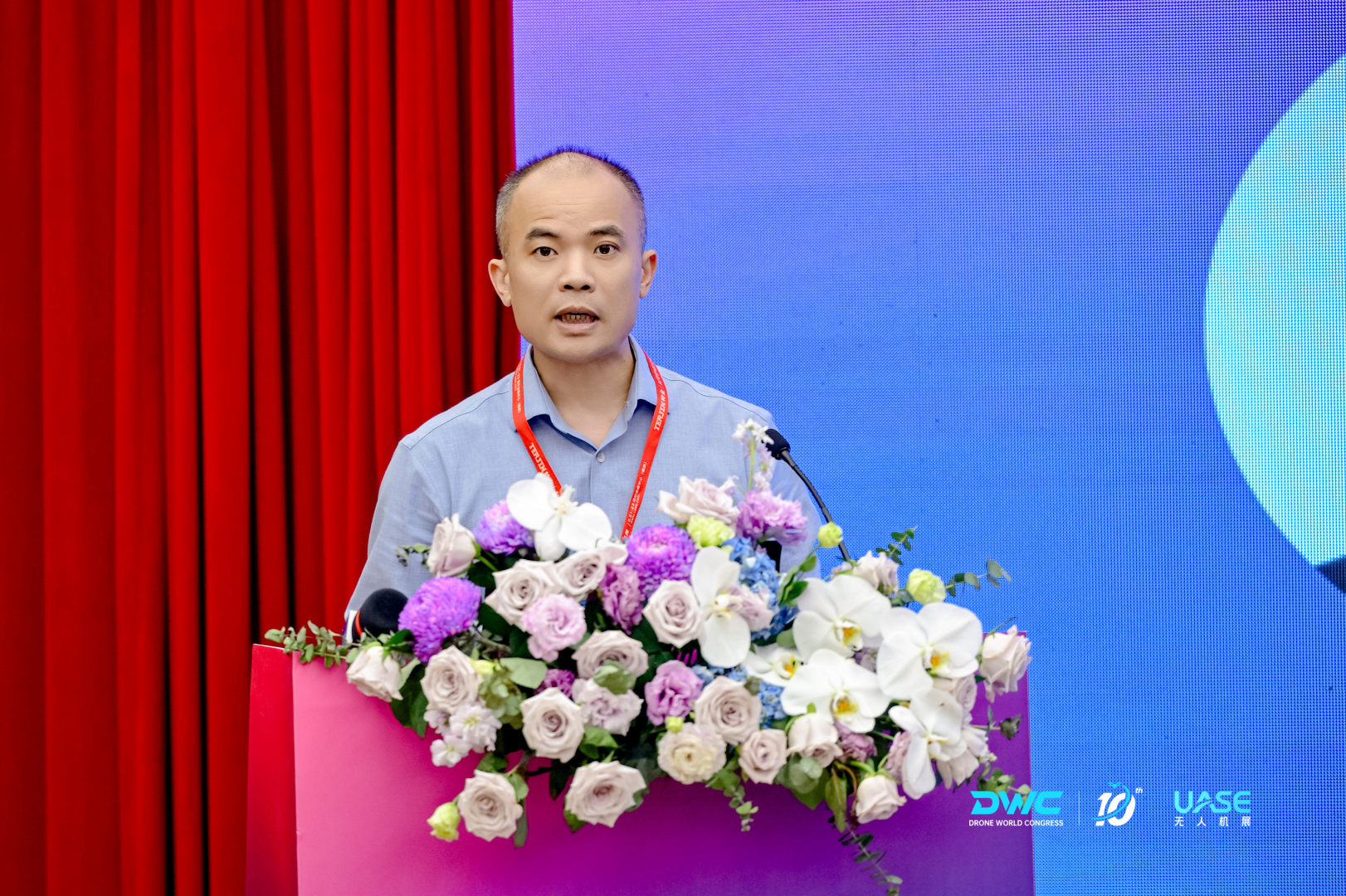
Subsequently, Wu Qiangjun, Deputy Director of the Science, Technology and Industry Information Technology Bureau of Futian District, Shenzhen, attended and delivered a speech. He pointed out that Futian is leveraging Shenzhen's advantage as a "Low-Altitude Economy Demonstration City" and the enacted "Shenzhen Low-Altitude Economy Industry Promotion Regulations" to fully build an ecosystem covering the entire industry chain of "R&D—Manufacturing—Application—Service." In the future, Futian will balance development and security, promote industry standards, and support the take-off of the drone industry with optimal services.
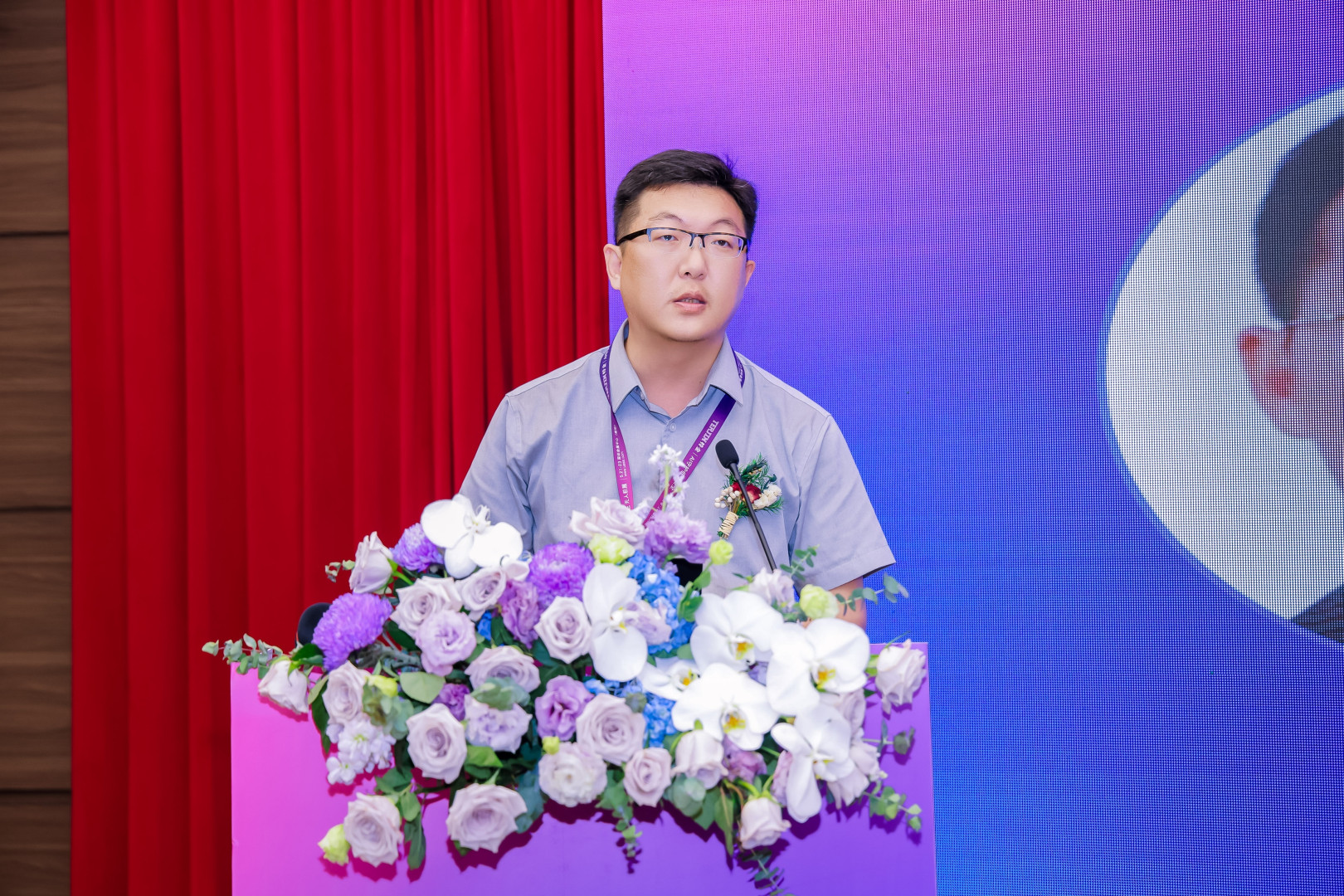
Director Lai Xingjun, Deputy Director of the Testing Center of the State Radio Monitoring Center and President of the Shenzhen Institute of Radio Testing & Technology, delivered a speech as a representative of the organizing party. He noted that Shenzhen's development as a low-altitude economy demonstration city relies on technological empowerment and standards as the foundation. He emphasized that the institute will persist in technological innovation, break through bottlenecks in the low-altitude field, and help the industry move towards a new stage of "standards-led, safety-first."
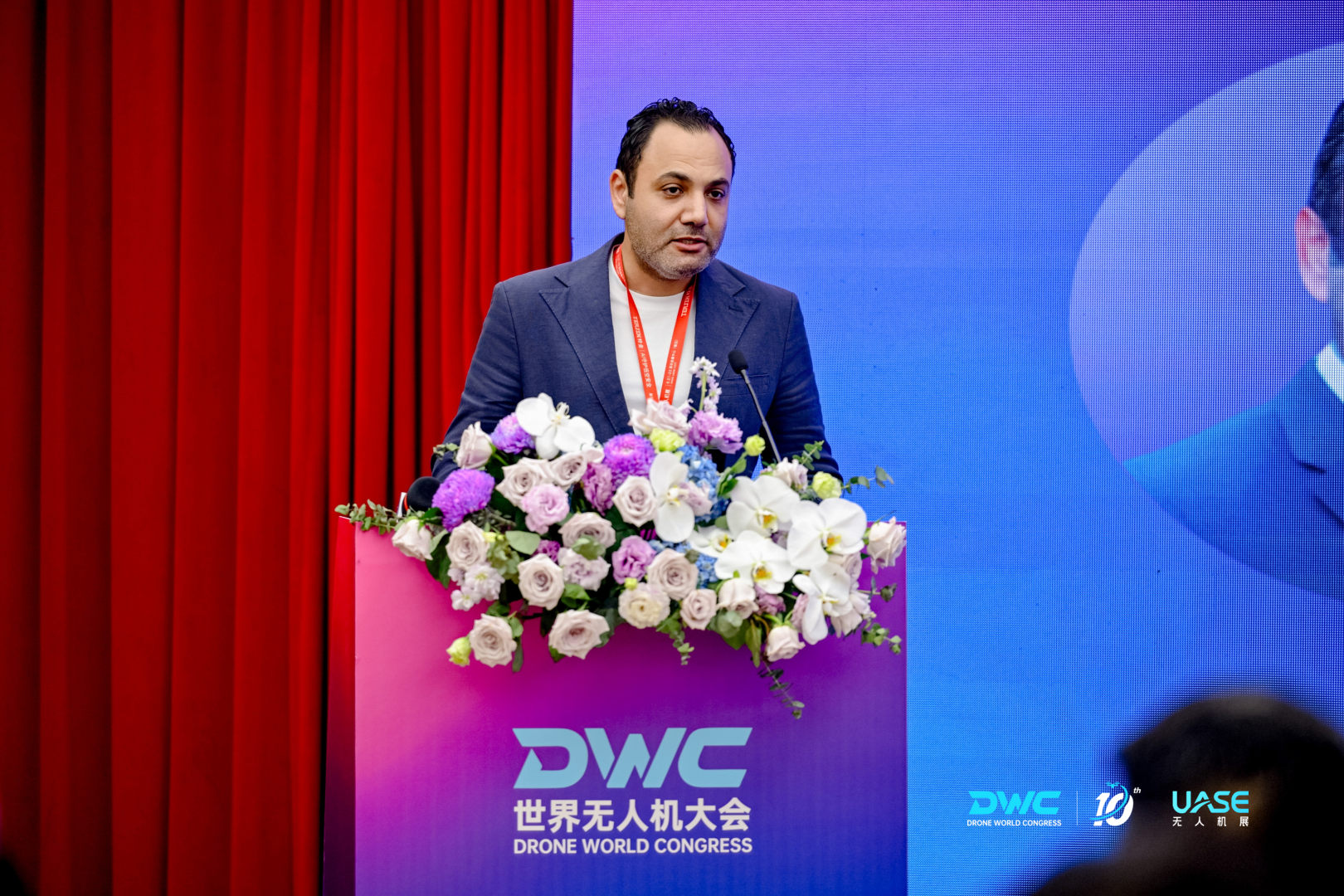
Mr. Mohamed Salah, CEO of Abu Dhabi's Advanced Mobility Hub, delivered a speech. He stated that China is a significant promoter of the low-altitude economy and expressed his anticipation to join hands with more Chinese entrepreneurs in the future to accelerate the substantial implementation of related projects.

The forum featured seven keynote speeches covering core areas such as policy interpretation, technological innovation, international market access, and standards implementation, providing attendees with a feast of substantial insights.
Du Hao
"Testing and Certification Policies for Drone-Related Radio Transmitting Equipment"
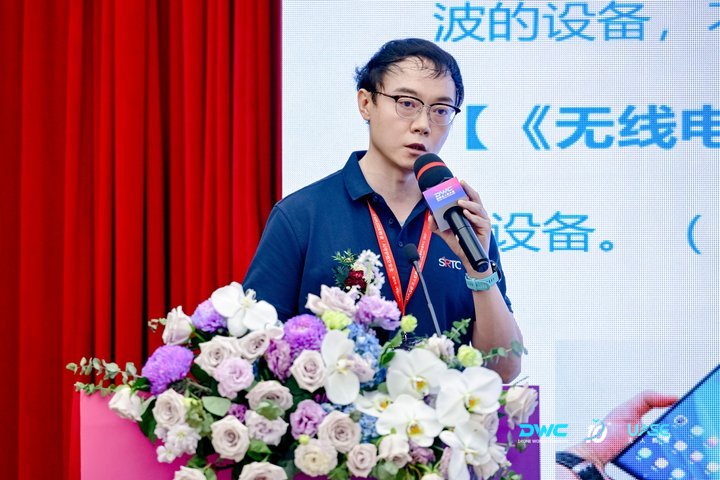
Compliance access for unmanned systems primarily hinges on the testing and certification of radio transmitting equipment. Du Hao, Senior Engineer of Tianwei Innovation (Beijing) Technology Co., Ltd., took the stage first. With his speech titled "Testing and Certification Policies for Drone-Related Radio Transmitting Equipment," he provided an in-depth analysis of the policy framework, process specifications, and industry value of radio equipment testing in the drone sector, helping enterprises clarify compliance directions and accelerate technology implementation.
Chen Zengping
"Advances in Low-Altitude Target Detection and Identification Technologies"
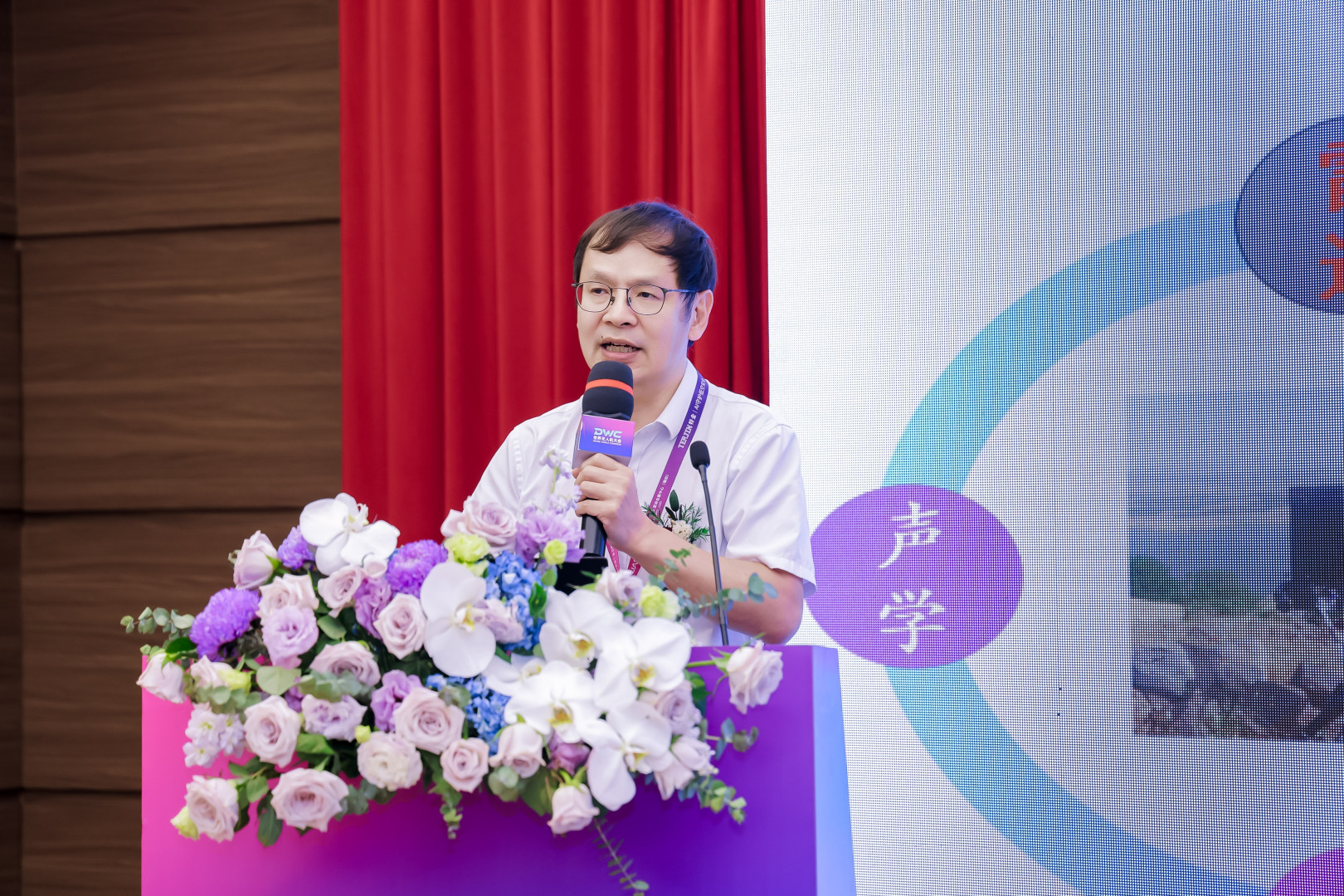
Next, Chen Zengping, Dean of the School of Electronics and Communication Engineering at Sun Yat-sen University, focused on "Advances in Low-Altitude Target Detection and Identification Technologies." He explained the problems and challenges faced in radar detection and identification of low-altitude targets and shared his team's latest breakthroughs in detection and AI recognition algorithm optimization, offering technical approaches to address the core pain points of low-altitude flight safety management and control.
Liu Zhenyu
"Guide to International Market Access for Low-Altitude Drones"
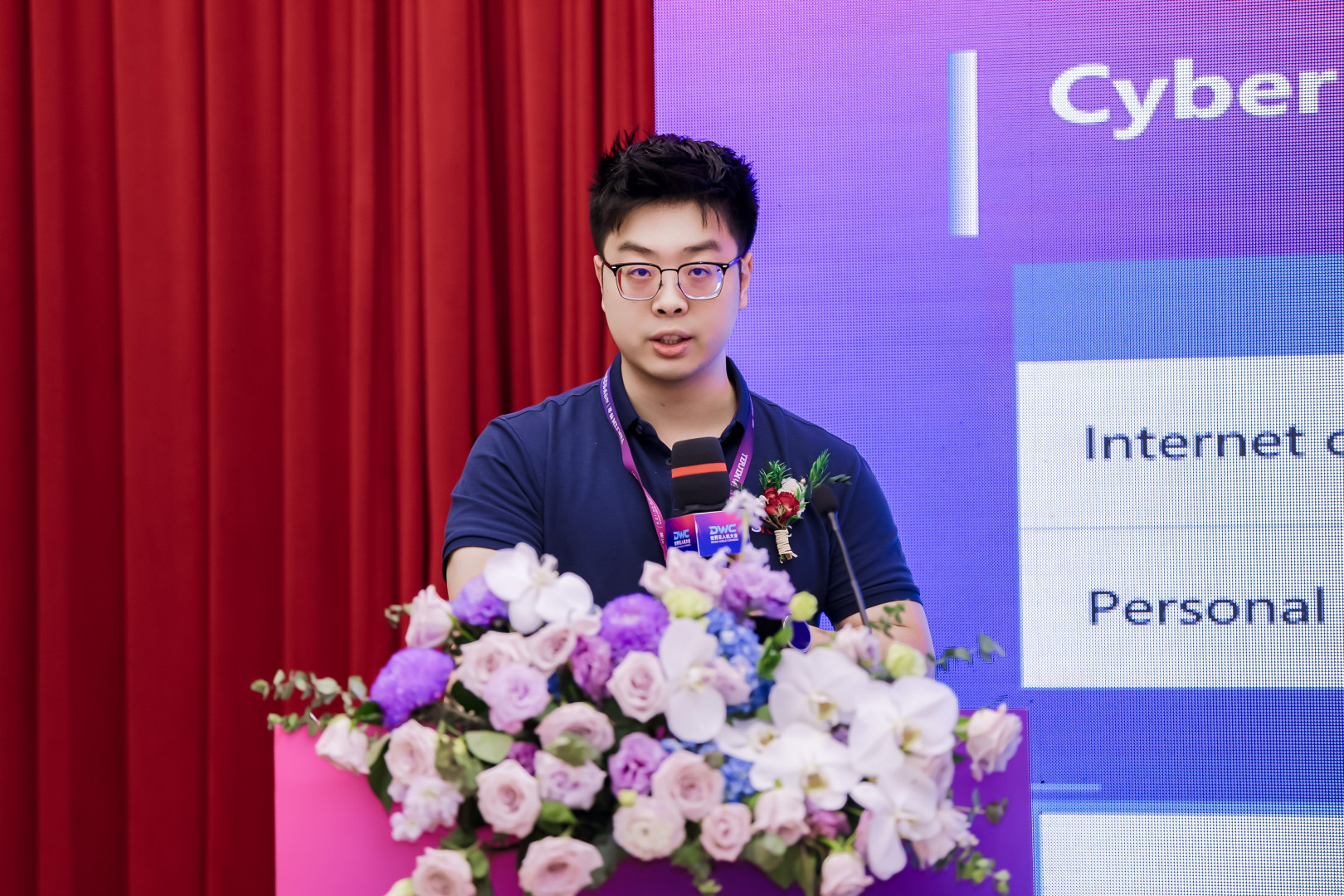
Regarding the international market, Liu Zhenyu, Ecosystem Development Manager of the International Certification Business Department at the Testing Center of the State Radio Monitoring Center, presented the "Guide to International Market Access for Low-Altitude Drones." He systematically outlined the certification rules of the EU CE marking, North America, and other countries, clarifying the technical standards, testing processes, and compliance key points for enterprises "going global."
Liang Ruipeng
"Enhancing Internal Inspection Quality, Standards as Safeguard – Comprehensive Compliance Verification for Drone Core Systems"
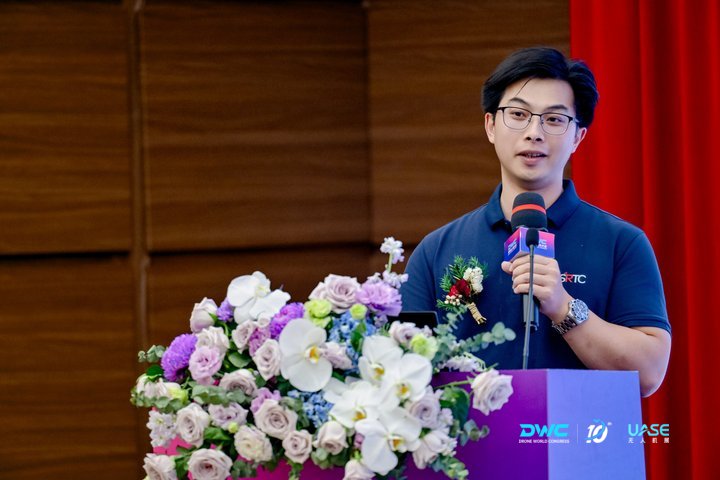
Liang Ruipeng, Technical Engineer of the Shenzhen Institute of Radio Testing & Technology, delivered a speech titled "Enhancing Internal Inspection Quality, Standards as Safeguard – Comprehensive Compliance Verification for Drone Core Systems." From a practical perspective, he explained the processes, standards, and key points of compliance verification for drone core systems to enterprises, providing valuable references for improving product quality and standardizing production operations.
Zhao Chen
"Complex Inflow and Environmental Simulation Devices for Low-Altitude Airspace and Testing Verification Capabilities"
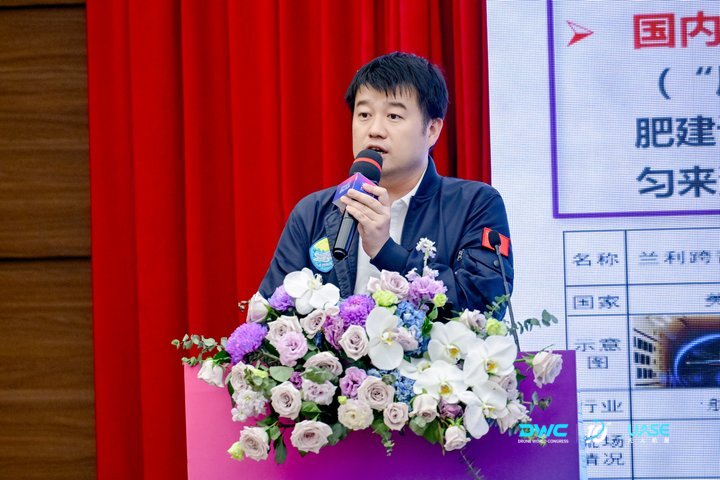
Zhao Chen, Professor at the University of Electronic Science and Technology of China (Shenzhen) Advanced Research Institute and Director of the Guangdong Provincial Engineering Research Center, targeted the "hardcore aspect" of technical verification. With his speech titled "Complex Inflow and Environmental Simulation Devices for Low-Altitude Airspace and Testing Verification Capabilities," he introduced his team's cutting-edge technologies and application achievements in low-altitude airspace environment simulation and testing verification.
Wen Haojian
"Low-Altitude Traffic Light: Deconstructing the Complete Closed Loop of Broadcast and Network-Based Operational Identification under the New National Standard"
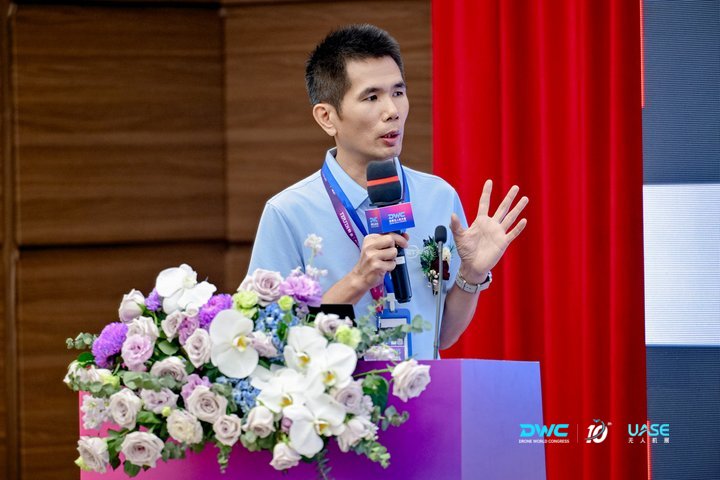
Addressing the implemented national standard GB 46750 "Operational Identification Specification for Civil Unmanned Aircraft Systems," Wen Haojian, Chief Engineer of Shenzhen Electronic Testing Services Co., Ltd., provided an insightful and accessible interpretation. He deconstructed the core content and closed-loop logic of the operational identification system under the new national standard, giving enterprises a clearer understanding of compliant operation for unmanned systems. Furthermore, Mr. Wen Haojian demonstrated the team's self-developed "GB46750 Receiver" APP on-site. This tool directly addresses the pain point of parsing drone operational identification codes, providing a powerful technical solution for enterprises to achieve compliant operation.
Marc Beltran
"European Drone Certification"
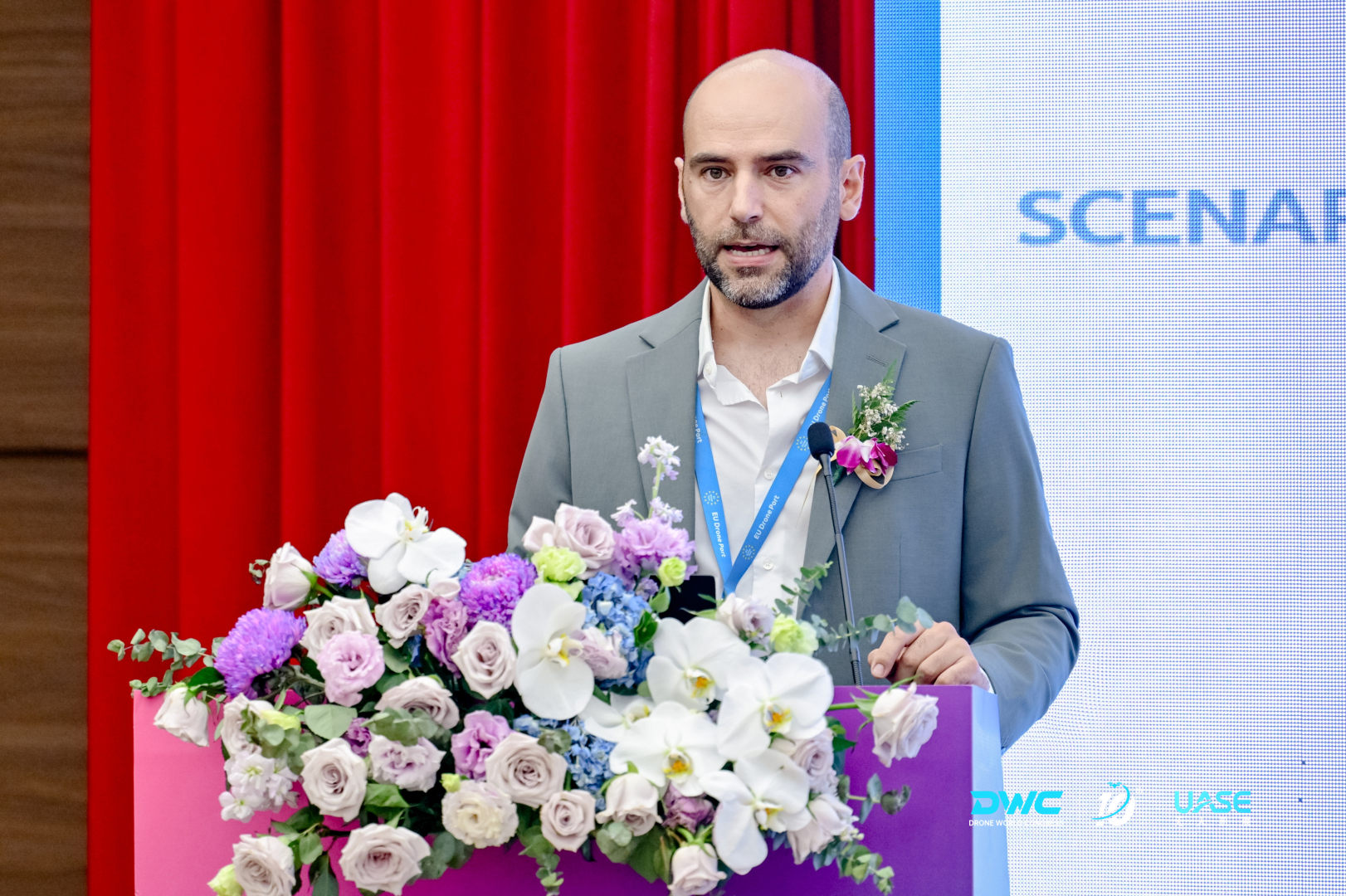
Marc Beltran, CEO of EU Drone Ports, Aerospace Engineer, and Researcher at the Canadian Aerospace Research Centre, focused on the theme of European drone certification. He provided a detailed interpretation of the advantages of exporting drones to Europe for enterprises, stating that the European drone market is large in volume, rich in application scenarios, and mature in development. Products from Chinese drone manufacturers can be legally sold in 31 European countries after obtaining international compliance certification.

From standards development to testing and certification, from policy guidance to industrial practice, this forum has built broad consensus for the unmanned systems industry. In 2026, as the low-altitude economy accelerates its development, "standards" and "safety" are not just industry buzzwords but also the ballast for the industry's steady and long-term progress. We look forward to all parties taking this forum as an opportunity to deepen cooperation, advance hand in hand, jointly promote the standardization, normalization, and high-quality development of China's drone industry, and help "Made in China with Wisdom" go global.